
 By
By 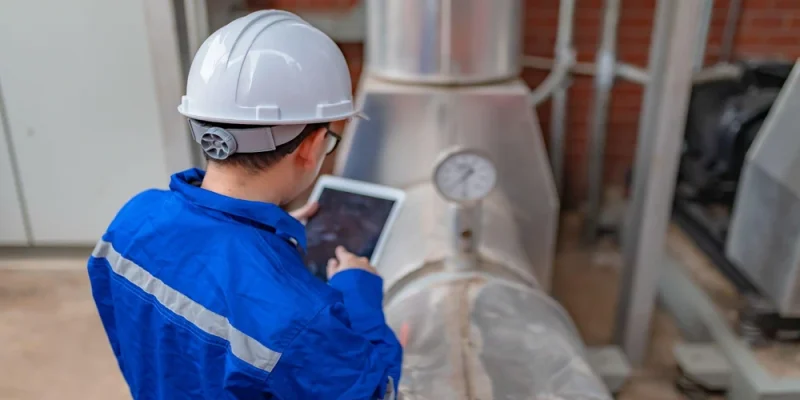
Key Takeaways
- Ergonomic supports are often ignored but are vital for preventing long-term musculoskeletal disorders in office and industrial settings.
- Portable gas detectors are essential in many indoor environments where invisible hazards like carbon monoxide or refrigerant leaks can occur.
- High-visibility gear is not just for roadworkers; it is increasingly necessary in large, dark warehouses with frequent vehicle movement.
- Emergency eyewash stations and first aid kits must be regularly checked for expiry dates to remain effective during a crisis.
Introduction
When we think of safety equipment, our minds usually jump to the obvious: hard hats, heavy boots, and bright orange vests. These are the “loud” symbols of a safe workplace. However, the most dangerous hazards are often the ones you cannot see or the ones that take years to cause damage. In the modern office and industrial landscape, it is the subtle stuff that gets missed. We focus so much on the dramatic risks-like falling from a height-that we forget the daily grind that can lead to chronic injury or sudden, invisible illness. Identifying these overlooked tools is the first step toward a truly comprehensive safety culture.
The Hidden Danger of Poor Ergonomics
We don’t often think of a chair as “safety equipment,” but for someone sitting eight hours a day, it is the most important piece of gear they own. Musculoskeletal disorders (MSDs) are among the leading causes of workplace absenteeism, yet ergonomic interventions are frequently pushed to the bottom of the budget. You know what? A simple monitor arm or a properly designed footrest can prevent a lifetime of chronic back pain or carpal tunnel syndrome. It is about protecting the body from the “slow-motion” injury of repetitive strain.
This isn’t just an office problem. In warehouses, ergonomic lifting aids and anti-fatigue mats are often overlooked. Standing on a concrete floor all day wreaks havoc on the joints and circulation. Anti-fatigue mats provide subtle cushioning that forces small, imperceptible muscle movements, which keeps blood flowing and reduce leg strain. By investing in these “invisible” protectors, you are showing your team that you value their long-term health just as much as their immediate safety. It is a shift in mindset from “not getting hurt today” to “staying healthy for a career.”
Monitoring the Invisible: Gas and Air Quality
In many modern facilities, the air itself can be a hazard. We aren’t just talking about chemical plants. Think about server rooms cooled by specialised gases or basement workshops with poor ventilation. Portable gas detectors are some of the most overlooked pieces of safety equipment in Singapore. They can sniff out colourless, odourless threats like carbon monoxide or oxygen depletion before a human even notices something is wrong. Waiting until someone feels dizzy is waiting too long.
Air quality also includes the particulates we breathe. In workshops that use 3D printers or laser cutters, fine dust and fumes can accumulate quickly. Often, these areas lack the heavy-duty extraction systems found in traditional factories because they don’t “feel” like dangerous environments. However, long-term exposure to these micro-hazards can lead to serious respiratory issues. Adding a compact, high-quality air purifier or local exhaust ventilation is a small step that provides massive protection. It is about respecting the chemistry of the modern workplace and the invisible risks it brings.
The Critical Importance of Maintenance
Even when the right equipment is present, it is often overlooked in another way: through neglect. Have you checked the expiry date on your first aid kit lately? Or tested the flow rate of the emergency eyewash station? Safety equipment is only effective if it actually works the second you need it. Far too often, these items become part of the furniture, gathered in dust and forgotten until an accident happens. This “set and forget” attitude is a major safety loophole that many businesses fall into. Engaging professional inspection and maintenance services can help ensure critical safety equipment remains in proper working condition.
This extends to high-tech gear as well. Gas detectors need regular calibration to stay accurate, and fire extinguishers need annual inspections. A safety harness that has been sitting in a sunny window for three years might have degraded webbing that will snap under load. Part of choosing the right safety equipment is committing to a maintenance schedule. A robust safety culture includes a calendar of “check-ups” for every piece of gear on-site. When you combine reliable equipment with routine maintenance services, you help ensure it will be there for you when the stakes are highest.
Conclusion
True safety is about looking into the corners and identifying the risks that everyone else is walking past. It is about protecting your team from the invisible, the slow-moving, and the forgotten. By broadening your definition of safety equipment, you create a truly resilient workplace. Don’t wait for an injury or an “out-of-spec” event to remind you of what is missing. Take a fresh look at your environment today. If you need help identifying the right safety equipment for your specific needs, contact Ansac Technology. We specialise in the gear that keeps your team safe, seen, and healthy.







Comments